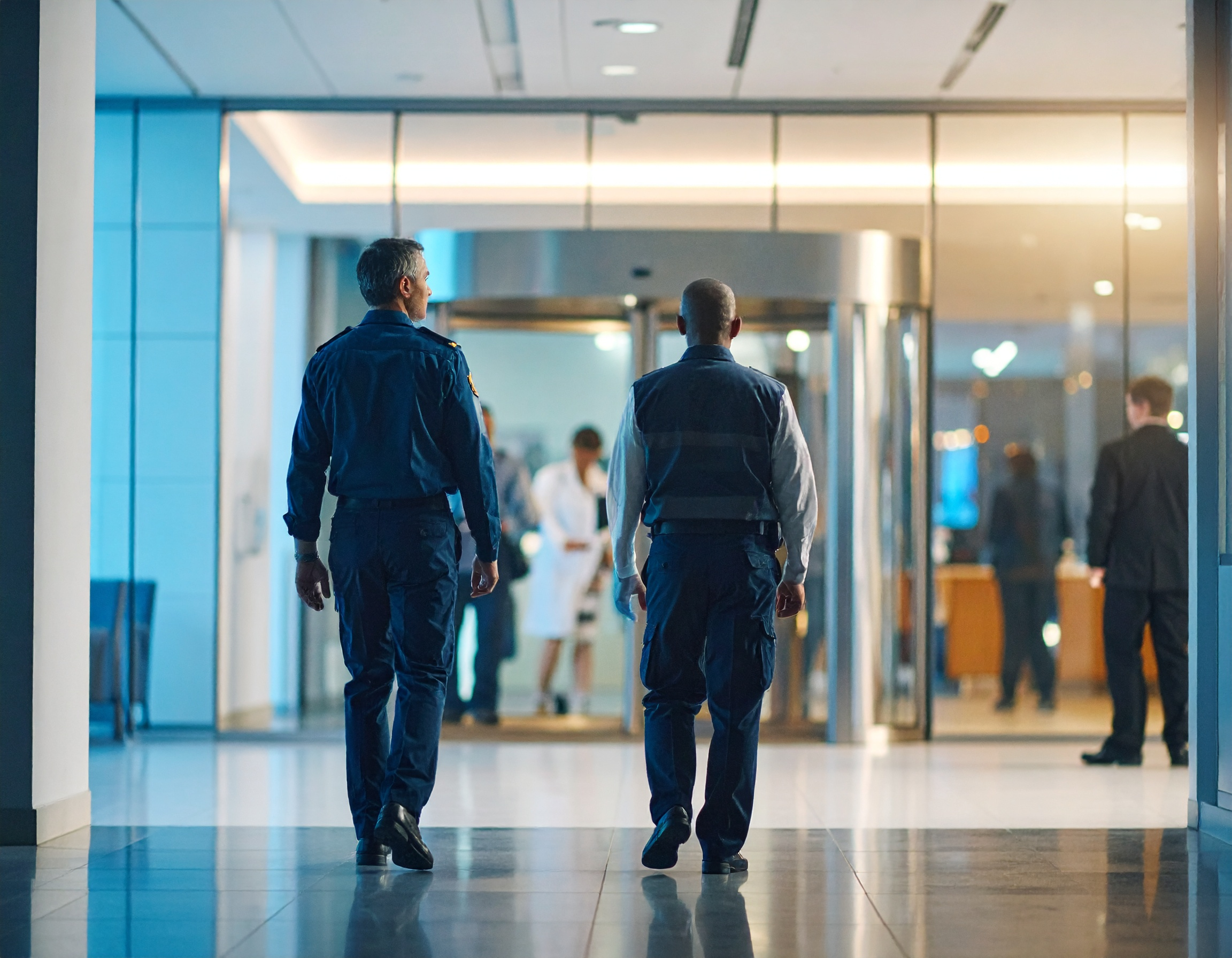
In July, I had the opportunity to speak on a panel at the Indiana Innovation and High Performance Summit, where we explored the evolving priorities and trends shaping the future of healthcare environments, specific to safety and security. From behavioral health units to emergency departments and ambulatory clinics, healthcare settings must foster environments of trust, healing, and protection. Yet, despite its foundational importance, safety and security often sit in tension with competing design priorities, and face budgetary scruitiny.
As healthcare leaders, designers, planners, and clinicians, we must ask: What is the cost of not investing in safety and security? And equally important, how do we ensure we’re investing wisely without overbuilding fear into spaces that should inspire healing?
The Growing Need to Prioritize Safety and Security
Healthcare institutions operate in a uniquely complex landscape. These are spaces where the public, patients in crisis, and highly trained professionals intersect, often in emotionally charged, high-stakes situations. This reality makes hospitals and clinics vulnerable to a broad spectrum of safety and security threats: from workplace violence and patient elopement to cyber breaches and environmental hazards.
Over the past decade, workplace violence in healthcare has increased at alarming rates. According to OSHA, healthcare workers are five times more likely to experience workplace violence than workers in other industries. This is not just a staff wellbeing issue—it’s a system-wide concern that affects recruitment, retention, patient care, and overall operational performance.
During the panel discussion, several leaders emphasized the cultural and psychological impact of safety: when people feel unsafe, their ability to heal, perform, or even seek care is diminished. Design must rise to meet that challenge—not reactively, but proactively and thoughtfully.
Opportunity Cost and the Point of Diminishing Returns
Of course, security does not come without cost—literally and metaphorically. Cameras, panic buttons, secure entries, access controls, ballistic materials, staff training, and security personnel all require capital and operational investment. The key challenge is discerning when these investments enhance care—and when they begin to impede it.
There is an opportunity cost to every square foot and every dollar spent. Over-investing in security infrastructure can lead to environments that feel cold, institutional, or even threatening, and even undermining the very mission of care delivery. Patients and families may interpret excessive security presence as a signal of danger rather than safety. Likewise, clinicians may find themselves working in spaces that are rigid and inflexible, compromising workflow and patient interaction.
Striking the right balance requires more than applying generic safety standards. It demands a nuanced understanding of context—who the patient population is, what types of care are delivered, and what specific risks are most likely to occur. Effective design integrates safety measures seamlessly into the architecture and operations of the space, rather than layering them on after the fact.
Types of Safety and Security in Healthcare Design
To effectively plan for safety and security, it’s important to recognize its many dimensions. These include:
- Physical Safety
This encompasses protection from falls, infections, environmental hazards, and operational failures. Design considerations include clear sightlines for monitoring, safe materials, handrail placement, slip-resistant flooring, and infection control strategies such as appropriate HVAC zoning and material finishes. - Behavioral Safety
Especially important in emergency departments, psychiatric units, and areas serving vulnerable populations, this involves mitigating risks like patient self-harm, elopement, and aggression. Ligature-resistant fixtures, calming lighting, decentralized nurse stations, and trauma-informed design all play a role. - Security from External Threats
Mass casualty incidents, active shooter scenarios, and civil unrest are low-probability but high-impact threats. Designing controlled access zones, secured entries, and clear lockdown protocols—while still maintaining a welcoming environment—is a delicate balancing act. - Data and Cybersecurity
Increasing reliance on connected technologies—from EHR systems to smart beds and wearable monitors—introduces new vulnerabilities. While this falls primarily into the IT domain, physical infrastructure must accommodate secure data hubs, cabling, and contingency planning for tech outages. - Operational Safety
This includes the protection of staff and patients from workplace hazards—fatigue, miscommunication, or procedural errors. Design that supports clear wayfinding, efficient workflows, noise reduction, and daylight access can improve both safety and satisfaction.
Traditional Approaches (and Their Limitations)
Traditionally, safety and security have been approached in a fairly segmented way; security systems specified by separate consultants, infection control addressed by clinical staff, fall prevention reviewed by quality committees. Too often, these layers of safety are bolted on late in the design process rather than being integral to early planning.
What’s needed is a more holistic and integrated approach, one that brings together architects, clinicians, operational leaders, infection control, IT, and security professionals from day one. This interdisciplinary planning enables proactive risk mitigation strategies to be embedded seamlessly into design.
For instance, rather than designing a behavioral health unit and then retrofitting ligature-resistant fixtures later, we can plan environments that are inherently calming, resilient, and aligned with evidence-based practices. Similarly, rather than relying solely on camera surveillance, we can design for passive surveillance through line of sight and staff visibility, approaches that often prove more effective and less intrusive.
Designing Environments of Trust
At its core, safety and security in healthcare is about trust. Patients trust that their providers will protect them. Staff trust that their workplace will support their wellbeing. And communities trust that healthcare institutions will remain beacons of care rather than fortresses of fear.
As we continue to advance healthcare design, we must push beyond reactive compliance and check-the-box strategies. We must ask deeper questions: What makes people feel safe? How can we use design to prevent harm without undermining dignity? Where does security enhance the mission—and where does it begin to interfere?
From here we can develop a strategy and chart a course to reinforce the trust our healthcare institutions instill in their communities